408-688-9153
 Call Us Now
 Email Us Now

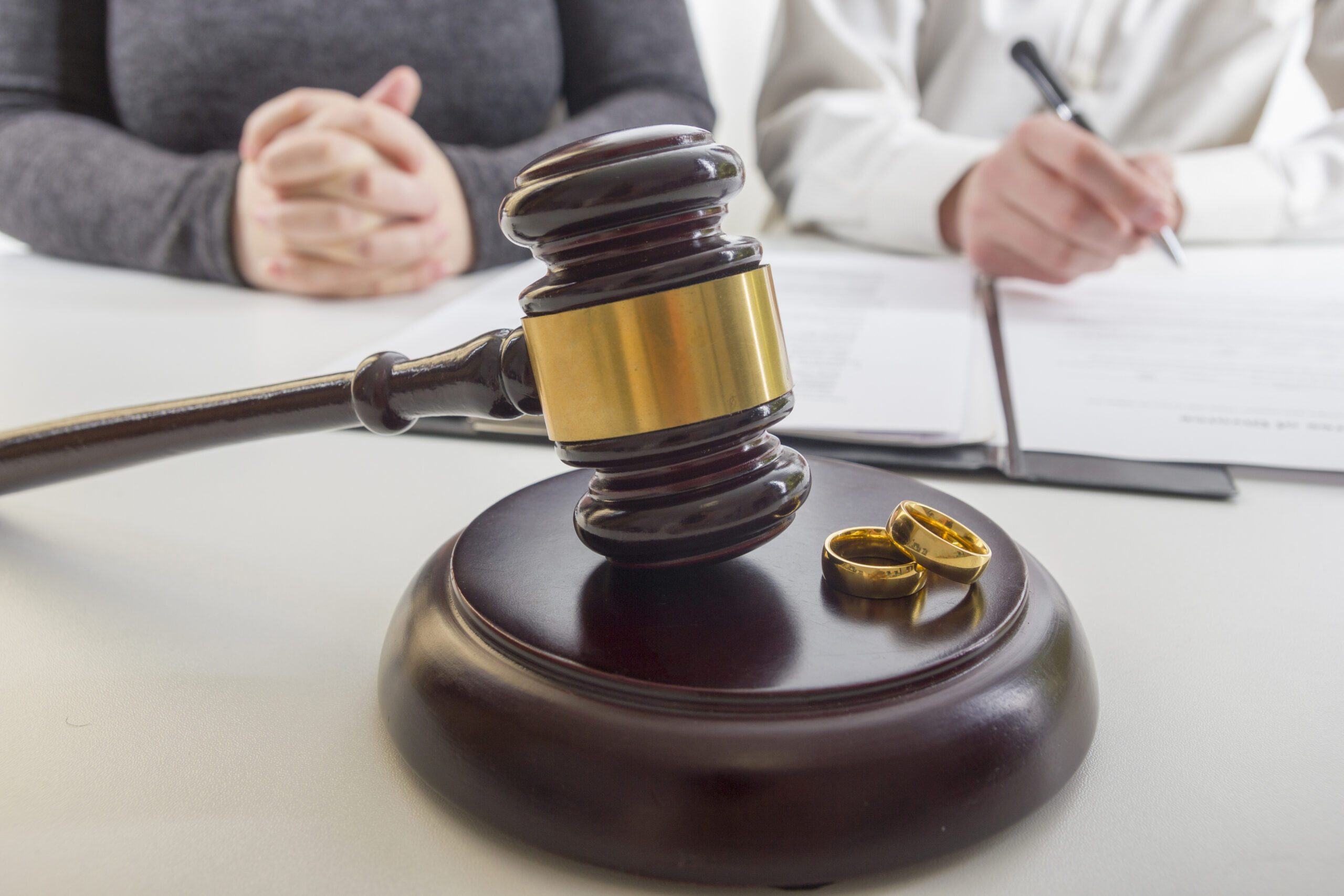
Uncontested divorce sounds straightforward on paper: both spouses agree, paperwork gets filed, and everyone moves forward. But in practice, even the most cooperative couples run into serious problems that delay their case, cost them money, or leave them with an agreement that falls apart later.
If you’re considering a DIY uncontested divorce in Campbell or anywhere in Santa Clara County, understanding where things go wrong is the first step toward getting it right.
What Makes Uncontested Divorce Different From Contested Divorce?
Uncontested divorce means both spouses agree on all terms or have resolved all issues necessary for judgment; a contested divorce begins with unresolved disputes that may be resolved through settlement, mediation, or trial.
In a contested divorce, spouses disagree on one or more issues, such as property division, child custody, or support. Those disputes go before a judge or are negotiated through settlement conferences or mediation. Costs vary substantially depending on the issues and the level of cooperation involved.
An uncontested divorce sidesteps that process entirely by avoiding a trial, though parties must still file court documents, complete required disclosures, and obtain a court judgment.
The catch is that “uncontested” doesn’t mean simple. California’s divorce process still involves strict procedural requirements, and small errors carry real consequences.
Mistake #1: Skipping Legal Review of Your Agreement
Signing a settlement agreement without legal review is one of the most common and costly mistakes in an uncontested divorce.
Many couples draft their own marital settlement agreement using online templates and sign it without having an attorney review it. The problem is that California law has specific requirements for how property, debt, retirement accounts, and support must be addressed. A vague or incomplete agreement may be rejected by the court or lead to future enforcement challenges depending on the terms, execution, and applicable law.
California Family Code provisions, specific descriptions, values, or valuation methods, and a clear allocation of assets and debts are required. Ambiguity in that language creates disputes down the road, even between couples who started the process in complete agreement.
A legal review doesn’t require turning the process into a contested battle. It simply helps identify omissions, ambiguities, and tax or plan-specific issues; note that an attorney ordinarily represents only one spouse.
Mistake #2: Forgetting to Address Retirement Accounts Properly
Dividing many employer-sponsored retirement plans in divorce requires an additional order—often a Qualified Domestic Relations Order, or QDRO—plus compliance with the plan administrator’s procedures. However, not every retirement asset uses a QDRO; IRAs, government benefits, and other plans may require different documents or procedures. Obtain the plan’s requirements before assuming the divorce judgment alone will complete the transfer.
This is one of the most overlooked issues in DIY uncontested divorces. California is a community property state, which means retirement benefits earned during the marriage are generally split between spouses. But a divorce decree or judgment of dissolution may not be sufficient to transfer or divide many retirement benefits without additional plan-specific orders or procedures.
Skipping this step can lead spouses to face severe financial and legal complications in implementing the division, depending on statutory limits and plan rules.
Mistake #3: Underestimating the Six-Month Waiting Period
California law generally prevents marital status from being terminated until six months have elapsed from the earlier of service of the summons and petition or the respondent’s appearance. The waiting period does not eliminate the need to complete the remaining paperwork, disclosures, and court review requirements, and it does not guarantee that the case will be completed exactly six months after service.
Under California Family Code Section 2339, no divorce status termination can occur until at least six months have passed from the date the respondent spouse is served with divorce papers. or enters an appearance, subject to specific statutory provisions.
Couples sometimes assume that because they’ve already agreed on everything, the process will wrap up quickly. Filing errors, incomplete paperwork, or delays in service can push the timeline well past six months. Starting the process correctly and promptly matters more than most people expect.
Mistake #4: Failing to Disclose All Assets and Debts
California generally requires spouses in a dissolution case to exchange complete financial information, including what they own, owe, earn, and spend. Preliminary disclosures usually must be exchanged within 60 days after the Petition or Response is filed. The financial documents themselves are generally served on the other spouse, while a proof-of-service form is filed with the court. Final disclosures may be waived only through a legally compliant written waiver.
California law requires both parties in a divorce to complete and exchange Preliminary Declarations of Disclosure. These forms require a full accounting of all income, expenses, assets, and debts, along with supporting documentation such as tax returns to be served directly on the other spouse.
If one spouse later discovers that property was hidden or undervalued, California courts may set aside or modify portions of a judgment or order, impose penalties, or reallocate assets, depending on the circumstances. Full, honest disclosure protects both of you.
Mistake #5: Not Planning for What Happens If Things Change
A good divorce agreement anticipates future changes in income, living situations, and parenting needs, not just your circumstances today.
Couples often draft agreements based on their current situation without considering how life might change. What happens if one parent needs to relocate? What if income changes significantly? If your agreement doesn’t include clear language about how those scenarios will be handled, you may end up back in court to resolve disputes that could have been addressed up front.
A detailed parenting plan can reduce ambiguity about schedules, transportation, holidays, communication, and decision-making. The agreement should also distinguish between terms that may be modified—such as custody, visitation, and support under applicable standards—and property-division terms that are generally intended to be final.
How Working With an Attorney Protects Your Uncontested Divorce
Pursuing an uncontested divorce doesn’t mean going it alone, and it doesn’t have to mean a courtroom. At Hepner & Pagan, we believe that most family law matters can and should be resolved outside of court. Our uncontested and collaborative divorce approach is built around mediation and out-of-court settlements that save our clients time, money, and stress without sacrificing the legal protection they deserve.
We review agreements, help couples identify issues they may have missed, and ensure that every document submitted to the Santa Clara County court meets California’s requirements. You can also read what past clients have experienced on our reviews page.
If you’re weighing your options, our blog covers a range of family law topics to help you understand the process before you make any decisions.
When you’re ready to talk, we’re here. Contact us or call Hepner & Pagan at 408-688-9153 to discuss your situation and clarify your next steps.